Source perforated clear heat shrink bands for cosmetic, gift, and packaging
Compare 30 listings of perforated clear heat shrink bands from verified Chinese manufacturers. Buyers can evaluate PVC and PET materials, heat-sensitive features, and customization options for cosmetic, gift, and general packaging applications.
Key considerations
Products List
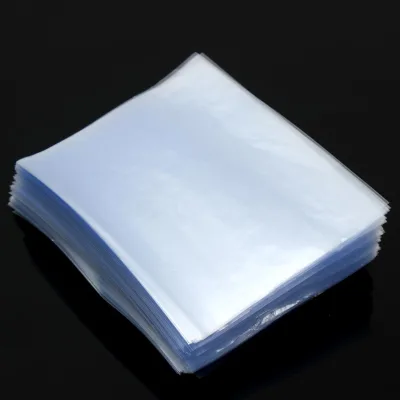
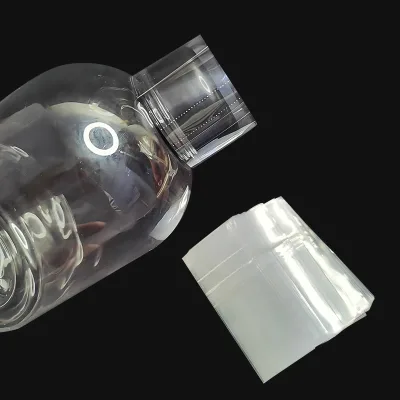
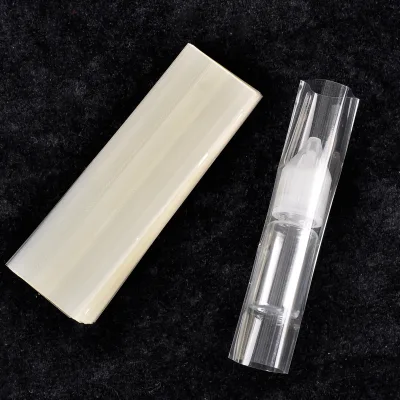


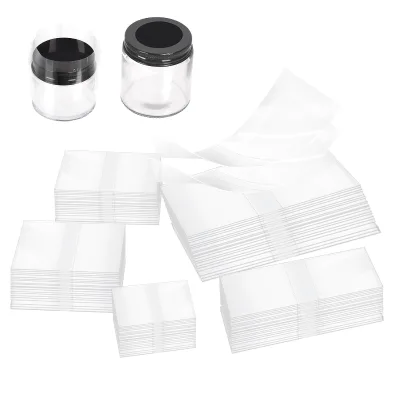
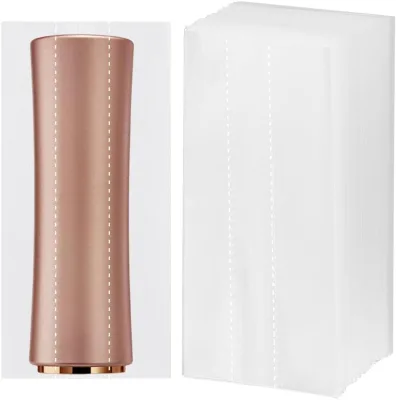
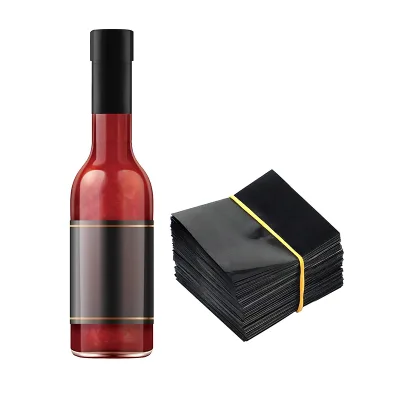
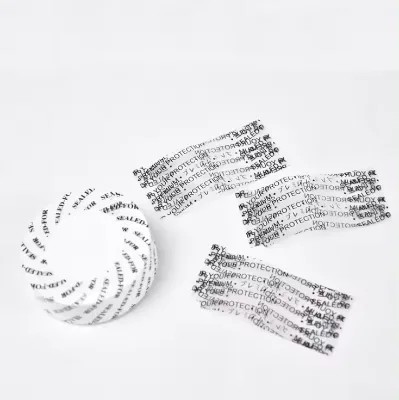
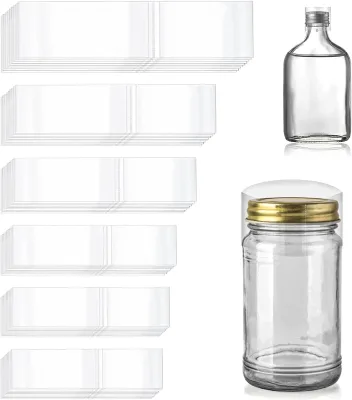
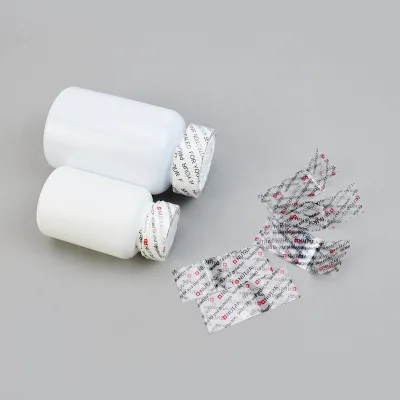


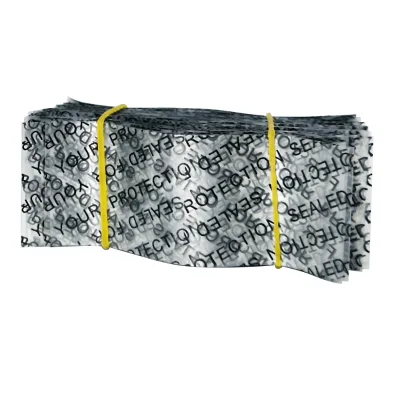


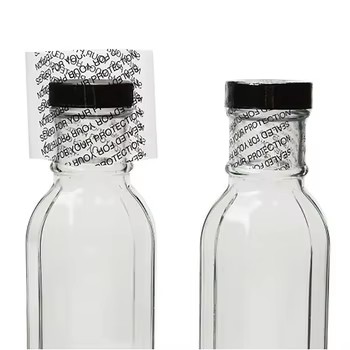
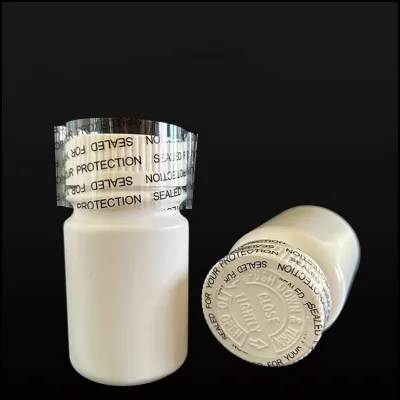


Comprehensive Sourcing Guide
Strategic Sourcing Guide for Perforated Clear Heat Shrink Bands
The procurement of perforated clear heat shrink bands requires a disciplined approach that balances material science, supply chain logistics, and rigorous quality verification. These specialized packaging components are critical for bundling, tamper-evidence, and aesthetic presentation in industrial and retail environments. Buyers must navigate a complex landscape of material grades, processing technologies, and supplier capabilities to ensure that the selected bands meet specific performance criteria without incurring unnecessary costs or compliance risks. This guide synthesizes available market data and technical requirements to provide a framework for evaluating potential suppliers and defining product specifications.
Technical Specifications and Material Composition
The foundation of a successful procurement strategy lies in a precise understanding of the technical specifications required for the application. The core material for high-performance heat shrink bands is predominantly Polyvinyl Chloride (PVC), though Polyethylene Terephthalate (PET) and Oriented Polystyrene (OPS) are also viable alternatives depending on the specific environmental and mechanical demands. The observed market data indicates that materials are frequently categorized by their processing type, such as casting or blow molding, which directly influences the final film properties.
Buyers must verify the tensile strength of the film, as this attribute determines the band's ability to withstand tension during the shrinking process and subsequent handling. Available data suggests tensile strength ranges can vary significantly, with observed values spanning from 0.0-50.0 MPa up to 150.0-200.0 MPa. This variance highlights the necessity of defining a minimum performance threshold based on the product being packaged. For instance, heavy industrial goods may require the higher end of this spectrum, while lightweight cosmetic items might function adequately with lower tensile strength.
The physical dimensions are equally critical. Width specifications observed in the market include standard sizes like 30cm, alongside "Other" custom dimensions. Length is another variable, with common offerings ranging from 30 meters to 100 meters per roll, though custom lengths are frequently available. The transparency of the film is a key visual requirement; "clear" and "transparent" grades are standard, ensuring that the packaged product remains visible. Furthermore, the surface finish, whether smooth or glossy, impacts the aesthetic appeal and the friction characteristics during automated application.
| Attribute | Observed Range/Value | Procurement Verification Point |
|---|---|---|
| Material | PVC, PET, OPS | Confirm compatibility with the product surface and chemical resistance. |
| Tensile Strength | 0.0-200.0 MPa | Define minimum MPa required for the specific load. |
| Width | 30cm, Custom | Verify exact width tolerance for the packaging machinery. |
| Length | 30m, 50m, 100m | Confirm roll length to calculate total coverage and waste. |
| Transparency | Clear, Transparent | Ensure visual clarity meets brand presentation standards. |
| Surface | Smooth, Glossy | Check for gloss consistency to avoid visual defects. |
Compliance, Certification, and Safety Standards
While the specific certification status of individual suppliers is not universally documented in general product listings, buyers must prioritize compliance with relevant safety and environmental standards. The material grade is a primary indicator of safety; "Food Grade" PVC is a distinct category that must be verified if the bands are intended for use with food or pharmaceutical products. The observed data lists "Food Grade" as a specific attribute for certain films, but this cannot be assumed for all PVC shrink films without explicit verification.
For applications involving cosmetics or general packaging, the material must be free from harmful plasticizers that could migrate to the product. Buyers should request Material Safety Data Sheets (MSDS) and certificates of analysis (CoA) to confirm that the PVC formulation adheres to international safety standards. Additionally, the processing type, such as casting or blow molding, can influence the presence of residual solvents or contaminants. It is essential to verify that the manufacturing process does not introduce impurities that could compromise the integrity of the packaged goods.
Environmental compliance is another growing concern. While "Heat Sensitive" and "Heat Shrinkable" are functional attributes, the end-of-life disposal of PVC films is a consideration for many global brands. Buyers should inquire about the recyclability of the specific film grade and whether the supplier offers sustainable alternatives, such as OPS, which may have different disposal profiles. The absence of specific certification claims in general listings necessitates a proactive approach where the buyer explicitly requests proof of compliance rather than relying on marketing descriptions.
Cost Drivers and Pricing Dynamics
Understanding the cost structure of heat shrink bands is vital for budgeting and negotiation. The observed price range in the market is relatively low, spanning from 0 to 10 USD, which likely reflects unit pricing for specific configurations or small sample quantities. However, the final cost is heavily influenced by several dynamic factors. Material costs are the primary driver, with PVC, PET, and OPS commanding different price points based on raw material market fluctuations.
Volume is a significant determinant of unit cost. The observed Minimum Order Quantity (MOQ) ranges from 1 to 100,000 units, indicating that suppliers offer flexibility for small-batch testing but provide substantial economies of scale for large orders. The supply ability of major manufacturers, such as those capable of producing 2,000,000 pieces per month, suggests that high-volume buyers can secure competitive pricing through bulk commitments.
Customization is another cost driver. While "Custom Order" is accepted by many suppliers, features like custom widths, lengths, perforation patterns, and specific printing requirements (silk screen, digital, or UV printing) will increase the unit price. The complexity of the printing process and the need for custom molds or dies for perforation patterns add to the setup costs. Buyers should anticipate that "Reasonable Price" claims are relative to the level of customization and volume; standard, non-printed clear bands will be the most cost-effective option.
Typical Applications and Industrial Use Cases
The versatility of perforated clear heat shrink bands allows them to serve a wide array of industrial applications. The observed data highlights several key use cases, including cosmetic packaging, gift and craft bundling, and general logistics. The "Industrial Use" attribute often specifies the target sector, such as "Cosmetic," "Gift & Craft," or "Pack."
In the cosmetic industry, these bands are frequently used to secure multi-packs of bottles or to provide tamper-evident seals on premium products. The "Heat Sensitive" nature of the film ensures a tight, professional fit that enhances the perceived value of the product. For the gift and craft sector, the transparency and glossy finish of the film allow the contents to be displayed attractively while keeping them bundled together.
Logistics and shipping applications also rely on these bands for pallet stabilization and bundle integrity. The "Moisture Proof" feature observed in some listings is particularly valuable for protecting goods during transit, especially in humid environments. The ability to use the film for "Food & Medicine" applications, provided the correct grade is selected, expands the utility of these bands into regulated industries. The "Octagon" shape mentioned in specific product attributes suggests specialized applications where unique geometric fits are required, possibly for specific bottle shapes or decorative packaging.
Supplier Evaluation and Geographic Considerations
When evaluating potential suppliers, geographic location plays a crucial role in logistics and lead times. The primary manufacturing hubs identified in the market data are Guangdong and Jiangsu, both located in China. These regions are known for their robust plastic processing industries and extensive supply chains. The port of dispatch is frequently listed as Shenzhen, a major logistics hub that facilitates efficient export to global markets.
Buyers should assess the supplier's "Supply Ability" to ensure they can meet demand during peak seasons. A monthly capacity of 2,000,000 pieces indicates a mature manufacturing operation capable of handling large orders. However, capacity alone is not sufficient; buyers must also evaluate the supplier's responsiveness to custom orders and their ability to maintain consistency across production batches.
The "Brand Name" associated with the products, such as GMPAK or Yingyang, can serve as an initial filter for brand recognition, but it should not be the sole criterion for selection. Buyers should prioritize suppliers who demonstrate transparency in their manufacturing processes and are willing to provide samples for testing. The "Single package size" and "Single gross weight" data points can help buyers estimate shipping costs and storage requirements, which are critical for total cost of ownership calculations.
Quality Control and Performance Verification
Quality control is paramount when sourcing heat shrink bands, as defects can lead to production line stoppages or product damage. Buyers must implement a rigorous verification process that includes testing for tensile strength, shrinkage ratio, and clarity. The observed tensile strength ranges (0.0-200.0 MPa) underscore the need to test specific batches against the defined specifications, as variations can occur between different production runs.
Visual inspection is essential for checking surface defects, such as bubbles, scratches, or inconsistent gloss. The "Surface" attribute, described as smooth or glossy, must be verified to ensure it meets the aesthetic requirements of the end product. Additionally, the perforation quality must be checked to ensure that the bands tear cleanly and predictably along the perforated lines.
For applications requiring specific grades, such as "Food Grade," third-party testing may be necessary to validate the supplier's claims. Buyers should establish a sampling plan that includes random testing of incoming shipments to ensure compliance with the agreed-upon standards. The "Packaging Details," typically standard export carton boxes, should also be inspected to ensure they provide adequate protection during transit and prevent damage to the rolls.
Long-Term Procurement Considerations
Sourcing heat shrink bands is not a one-time transaction but a long-term partnership that requires ongoing management. Buyers should consider the stability of the supplier's raw material supply, as fluctuations in PVC or PET prices can impact future costs. Establishing a long-term contract with a supplier who has a proven "Supply Ability" can help mitigate these risks and ensure consistent availability.
Flexibility is another key consideration. The market data shows that suppliers are willing to accept "Custom Order" requests, which is beneficial for buyers with evolving packaging needs. However, buyers should negotiate terms that allow for adjustments in order volume and specifications without incurring excessive penalties. The "Customization" attribute being available suggests that suppliers are open to collaboration, but clear communication of requirements is essential to avoid misunderstandings.
Finally, buyers should monitor the supplier's adherence to quality standards over time. Regular audits and performance reviews can help identify any deviations in product quality or delivery reliability. By maintaining a proactive approach to supplier management, buyers can ensure a steady supply of high-quality perforated clear heat shrink bands that support their operational efficiency and brand reputation.
FAQs
What materials are used for perforated clear heat shrink bands?
These bands are primarily made from PVC, PET, or OPS materials. The specific grade, such as Food Grade, must be verified for safety compliance in food and medicine applications.
How is the tensile strength of these shrink films measured?
Tensile strength varies significantly across products, ranging from 0.0 to 200.0 MPa. Buyers must define a minimum threshold based on the load requirements of their specific packaging application.
Can suppliers provide custom dimensions for these bands?
Yes, custom orders are accepted with available widths like 30cm or other specifications. Lengths can also be customized, with standard options including 30m, 50m, and 100m rolls.
Where are the main manufacturing locations for these products?
Manufacturing hubs are located in Guangdong and Jiangsu, China. Products are typically dispatched from the port of Shenzhen to facilitate efficient global export logistics.
What printing methods are available for these shrink films?
Available printing handling includes silk screen, digital, and UV printing. These methods allow for branding and decorative needs while maintaining the transparency and glossy surface finish.
What is the typical supply capacity for these manufacturers?
High-capacity manufacturers can supply up to 2,000,000 pieces per month. This volume supports large-scale orders while maintaining consistent quality and delivery schedules.
Are these bands suitable for cosmetic and gift packaging?
Yes, they are designed for cosmetic, gift, and craft industrial uses. The heat-sensitive nature ensures a tight fit that enhances product presentation and tamper evidence.